Summer in Texas arrives early and stays late. By late May, we're already seeing temperatures in the 90s, and the real heat hasn't even started. If you wait until June to think about your yard, you're already behind. The good news is that a few straightforward steps in April and May will set your lawn and landscape up to handle whatever the Gulf Coast summer throws at it.
Mow Higher Before the Heat Arrives
One of the simplest things you can do is raise your mower deck. St. Augustine should be cut to about 3 to 4 inches during summer, and Bermuda to around 1.5 to 2 inches. Taller grass shades the soil, keeps roots cooler, and helps the turf retain moisture when rain becomes scarce. Scalping your lawn in spring might make it look neat for a week, but it leaves the grass vulnerable to heat stress and weeds. Set your mower height now and leave it there through September.
Water Deeply, Not Often
Texas summers mean drought, and North Houston is no exception. Most established lawns need about an inch of water per week, either from rain or irrigation. The key is to water deeply and infrequently rather than a little bit every day. Deep watering encourages roots to grow down into the soil where moisture lasts longer. Shallow, frequent watering keeps roots near the surface where they bake in the heat. Water early in the morning, before 10 a.m., so the grass has time to dry before nightfall. Wet grass at night invites brown patch and other fungal problems.
Feed Your Lawn in Late Spring
A well-fed lawn is a resilient lawn. For St. Augustine, apply a slow-release fertilizer in late April or early May. This gives the grass the nutrients it needs to build up its defenses before the stress of summer. Bermuda can handle a bit more nitrogen and benefits from a feeding in late spring and again in early summer. Avoid fertilizing once we hit the peak heat of July and August. Pushing growth during extreme heat can do more harm than good. If you're unsure what your soil needs, a soil test takes the guesswork out of it.
Watch for Chinch Bugs and Other Pests
Chinch bugs love hot, dry conditions, and they can destroy a St. Augustine lawn in a matter of weeks. They're tiny, but the damage they cause is not. Look for irregular yellow patches that spread quickly, especially in sunny areas. If you part the grass near the edge of a damaged spot and see small black bugs with white wings, you've found your culprit. Treating early makes all the difference. Grub worms are another summer pest to watch for. They feed on grass roots and show up as loose, brown patches that peel back like carpet.
Mulch Beds and Water Shrubs
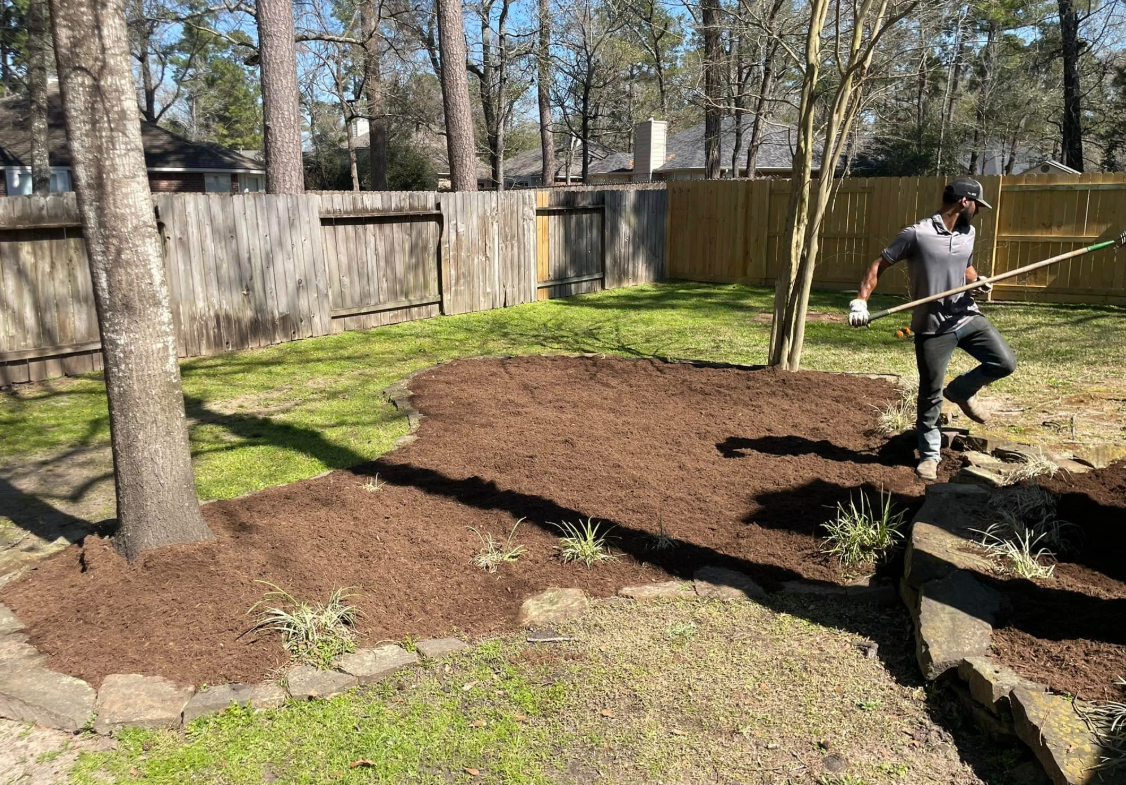
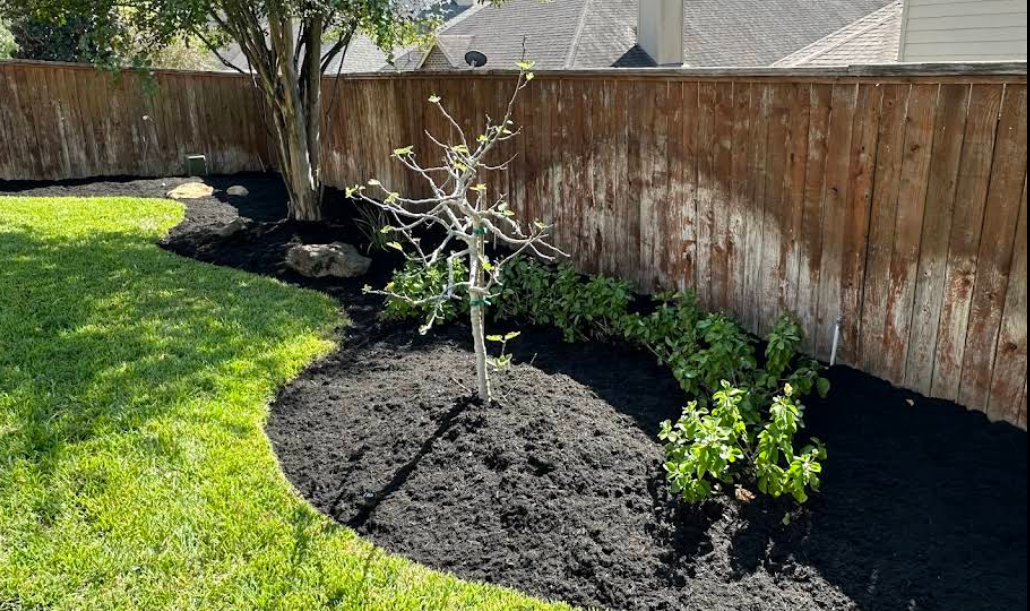
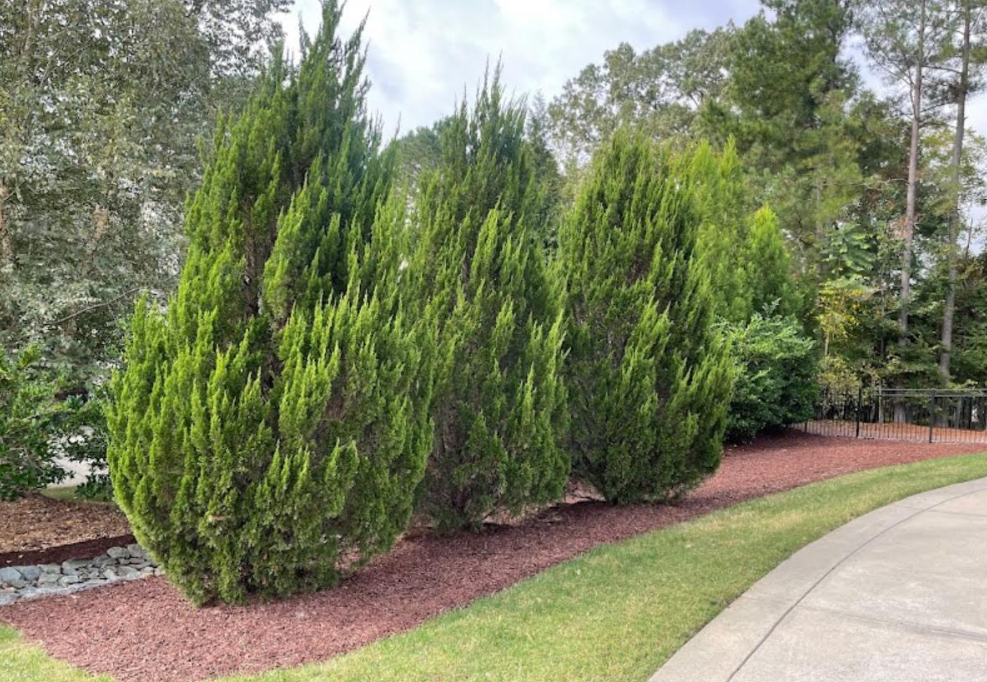
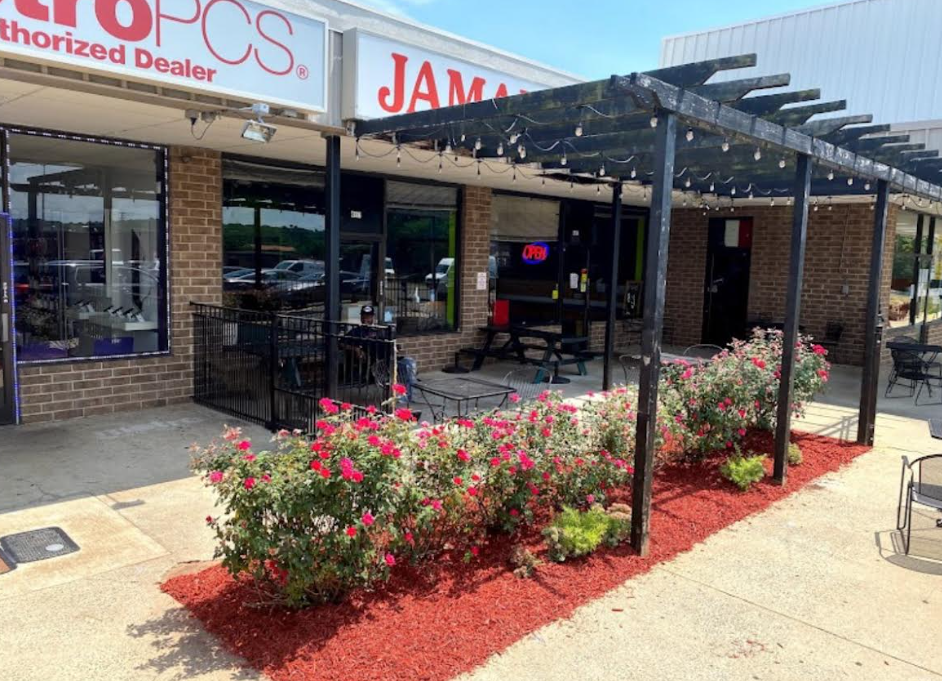
Your lawn isn't the only thing that suffers in a Texas summer. Shrubs, trees, and flower beds need attention too. A fresh layer of mulch in late spring helps retain soil moisture, keeps roots cool, and cuts down on weeds. Two to three inches is plenty. Any more and you risk smothering plant roots or encouraging rot. Even drought-tolerant plants appreciate a deep watering once a week when temperatures stay above 95 for days on end. Newly planted trees and shrubs need extra attention their first summer. Water them slowly and deeply every few days if rain doesn't show up.
Getting ahead of summer now means less stress for you and your yard when the heat really sets in. If you'd rather have a hand with any of this, give Dream Green a call at (832) 298-7224.